ENGLAND, ever more CASTLES

-JUNE/JULY 2025-

ALL PHOTOS © RUUD LEEUW


ENGLAND | BLACK & WHITE | CASTLES | PEOPLE |
| OXFORD & LINCOLN |


PENSHURST PLACE (a.k.a. PENSHURST CASTLE)
Penshurst Place (Penshurst Castle) 6-2025 / R. Leeuw

Penshurst Place is a historic building near Penshurst, Kent, 32 miles (51 km) southeast of London, England.
It is the ancestral home of the Sidney family, and was the birthplace of the great Elizabethan poets and courtiers, siblings Mary Sidney and Philip Sidney.
The original medieval house is one of the most complete surviving examples of 14th-century domestic architecture in England.
Part of the house and its gardens are open for public viewing.
Many TV shows and movies have been filmed at Penshurst. ¬ Wikipedia

Penshurst Place (Penshurst Castle) 6-2025 / R. Leeuw
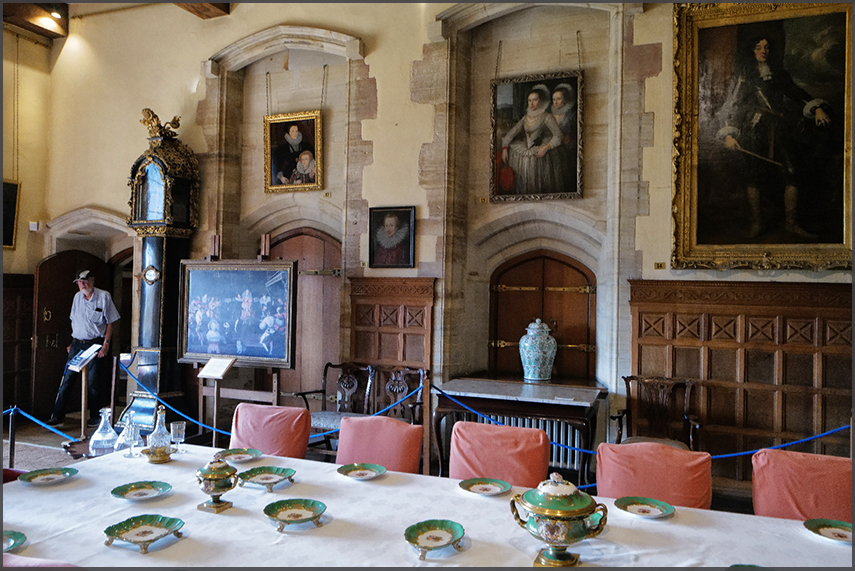
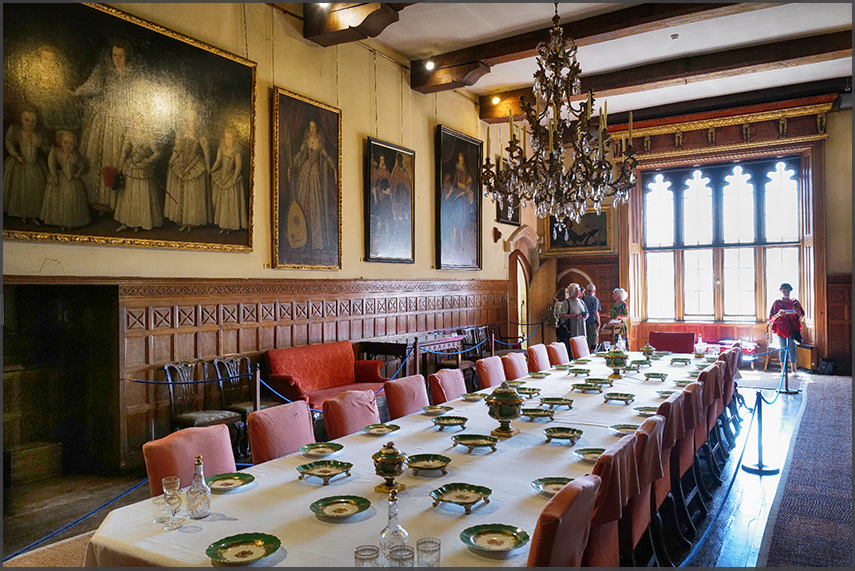
The Great Hall

Penshurst Place was built as a hall house in 1341 for Sir John de Pulteney, a London merchant and four times Lord Mayor of London who wanted a country residence within easy distance of London.
This was at the time when such properties ceased to be castles: they were more dwellings that could be defended in an emergency.

When Henry IV's third son, John, Duke of Bedford, occupied Penshurst, the second hall, known as the Buckingham Building, was built: so called after the subsequent owners, the Dukes of Buckingham.
Edward Stafford, 3rd Duke of Buckingham was executed in 1521 by Henry VIII following a lavish feast held at Penshurst Place hosted by the Duke in honour of Henry in 1519...


Penshurst Place (Penshurst Castle) 6-2025 / R. Leeuw
From a painting during a Royal event in more recent times (EMAIL)

Penshurst Place (Penshurst Castle) 6-2025 / R. Leeuw
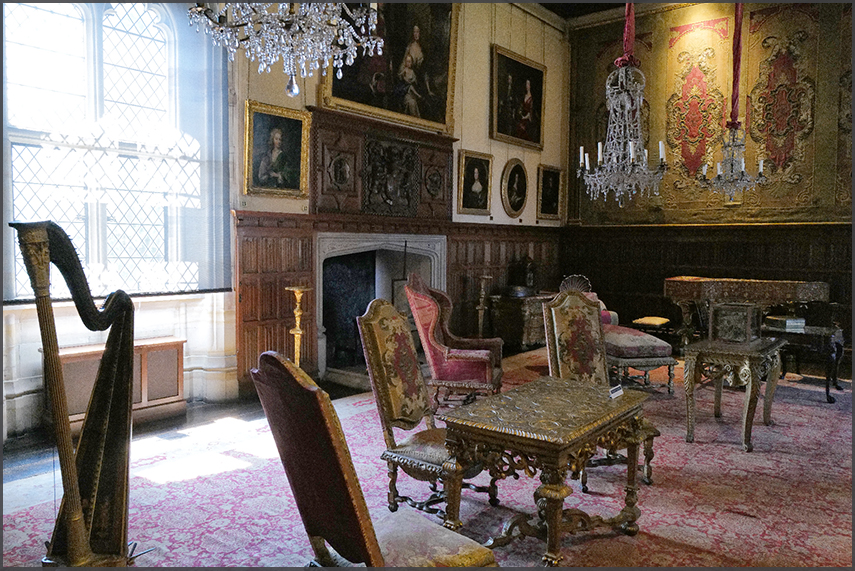
The harpsichord right, at the wall, is an important English 16th century instrument which belonged to Queen Christina
of Sweden. The case is Italian, gilded in the rococo manner and set upon ornately carved baroque stand.

A truly magnificent interior, money was obviously no object..
Penshurst Place (Penshurst Castle) 6-2025 / R. Leeuw
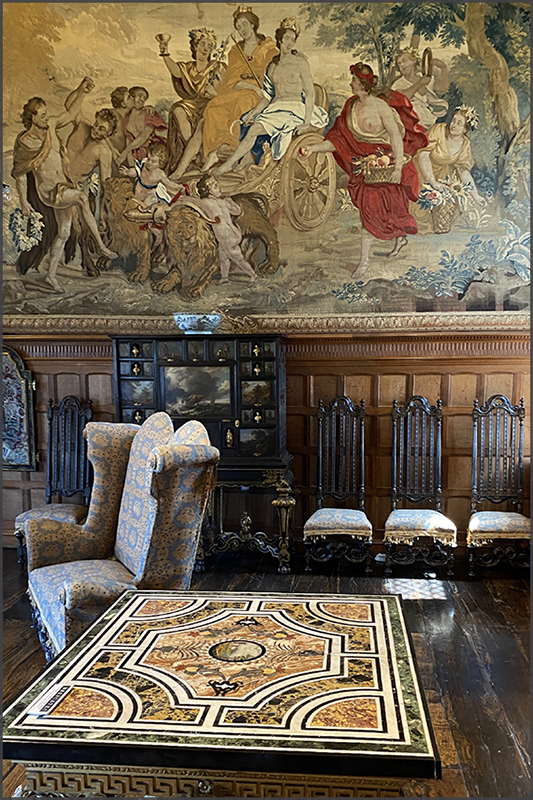
A silk screen (not wallpaper) and wood panelling keeping out the damp

Penshurst Place (Penshurst Castle) 6-2025 / R. Leeuw

Penshurst Place (Penshurst Castle) 6-2025 / R. Leeuw
Display in the crypt. The fact that these mannequins have no heads is significant..?

Penshurst Place (Penshurst Castle) 6-2025 / R. Leeuw

Penshurst Place (Penshurst Castle) 6-2025 / R. Leeuw
Possibly the hall in Buckingham Building?

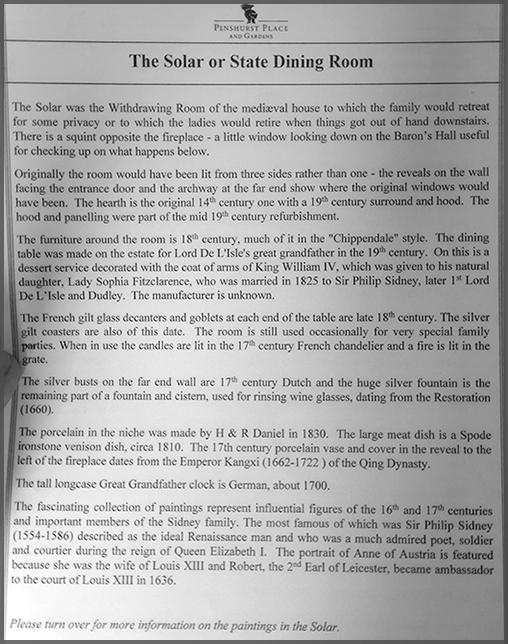
The information on the below images
Penshurst Place (Penshurst Castle) 6-2025 / R. Leeuw

Penshurst Place (Penshurst Castle) 6-2025 / R. Leeuw
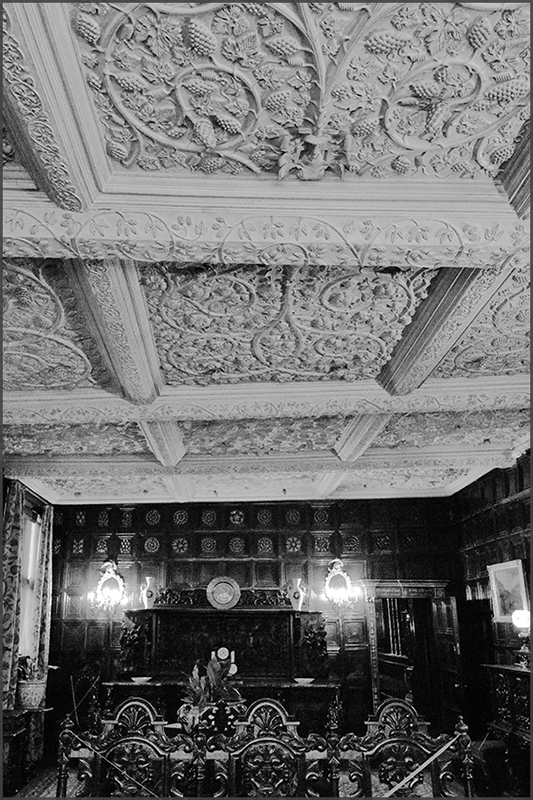
The Solar or State Dining Room

Penshurst Place (Penshurst Castle) 6-2025 / R. Leeuw

Penshurst Place (Penshurst Castle) 6-2025 / R. Leeuw
+
Penshurst Place (Penshurst Castle) 6-2025 / R. Leeuw

Penshurst Place (Penshurst Castle) 6-2025 / R. Leeuw
The Solar or State Dining Room

Penshurst Place (Penshurst Castle) 6-2025 / R. Leeuw
The harpsichord at the far end is mentioned in below information
Penshurst Place (Penshurst Castle) 6-2025 / R. Leeuw

Penshurst Place (Penshurst Castle) 6-2025 / R. Leeuw
Left: Queen Elizabeth I and on the right, probably Robert Dudley, Lord of Leicester (EMAIL)
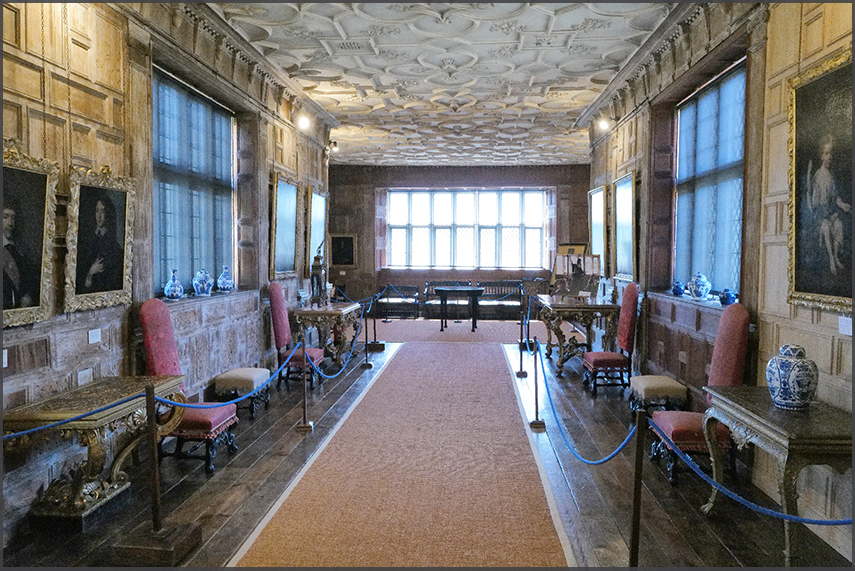
Penshurst Place (Penshurst Castle) 6-2025 / R. Leeuw
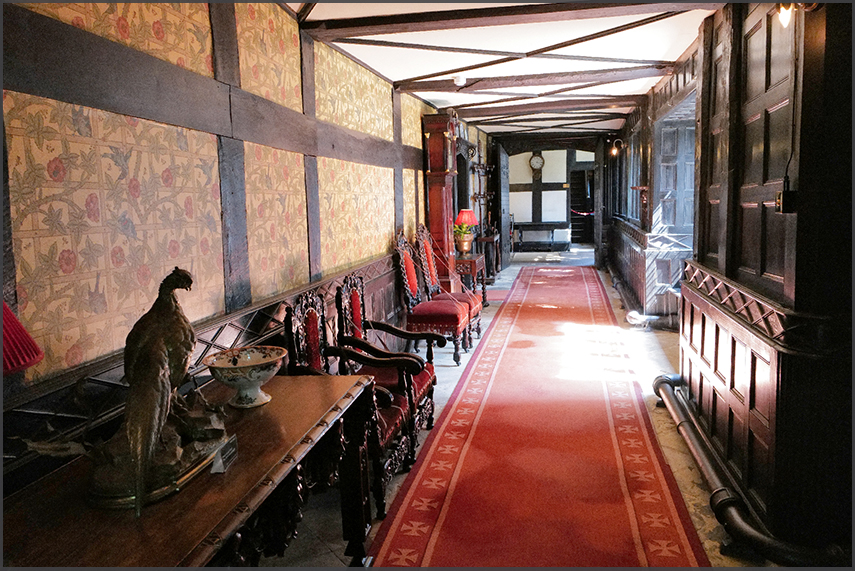
The Long Gallery

Penshurst Place (Penshurst Castle) 6-2025 / R. Leeuw
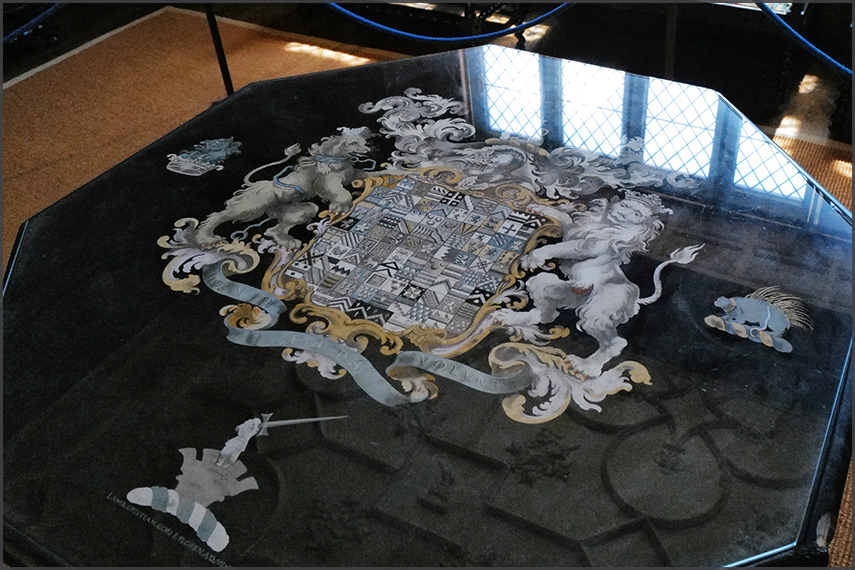
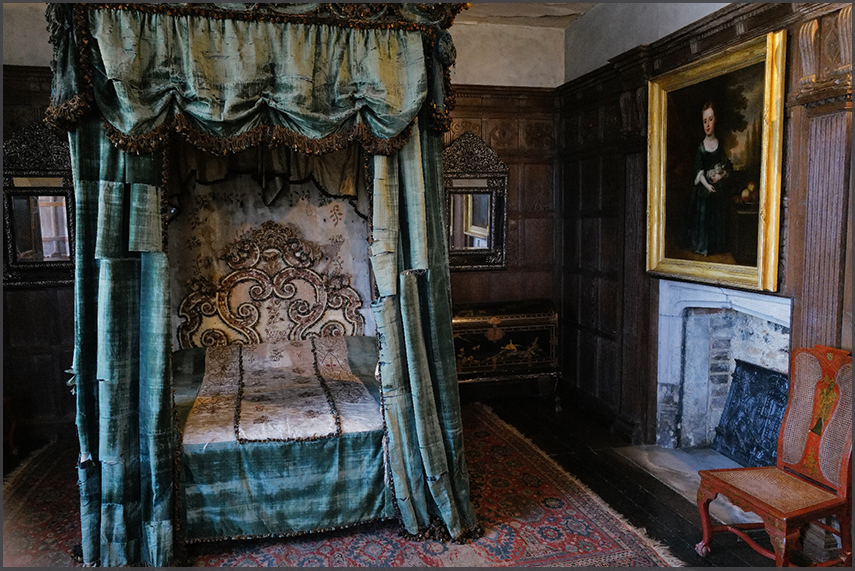
The octagonal scagliola is decorated with heraldic devices showing 95 quarterings of the Sidney family (many of
the wishful thinking) and was made in Florance in 1753 for Mr Perry by Gori, the foremost scagliola master of his day.
Penshurst Place (Penshurst Castle) 6-2025 / R. Leeuw

Penshurst Place (Penshurst Castle) 6-2025 / R. Leeuw
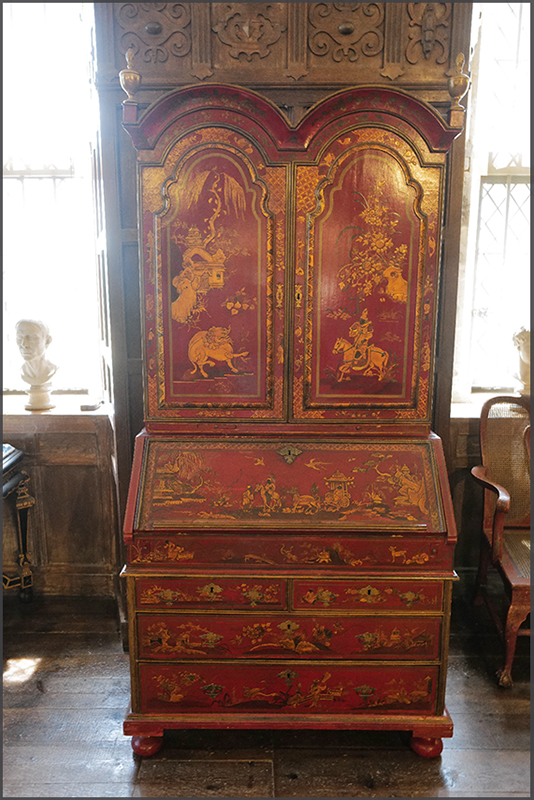
This red lacquer bookcase is English, about 17th century with chinoiserie decoration.
Penshurst Place (Penshurst Castle) 6-2025 / R. Leeuw

Penshurst Place (Penshurst Castle) 6-2025 / R. Leeuw

Penshurst Place (Penshurst Castle) 6-2025 / R. Leeuw

Penshurst Place (Penshurst Castle) 6-2025 / R. Leeuw
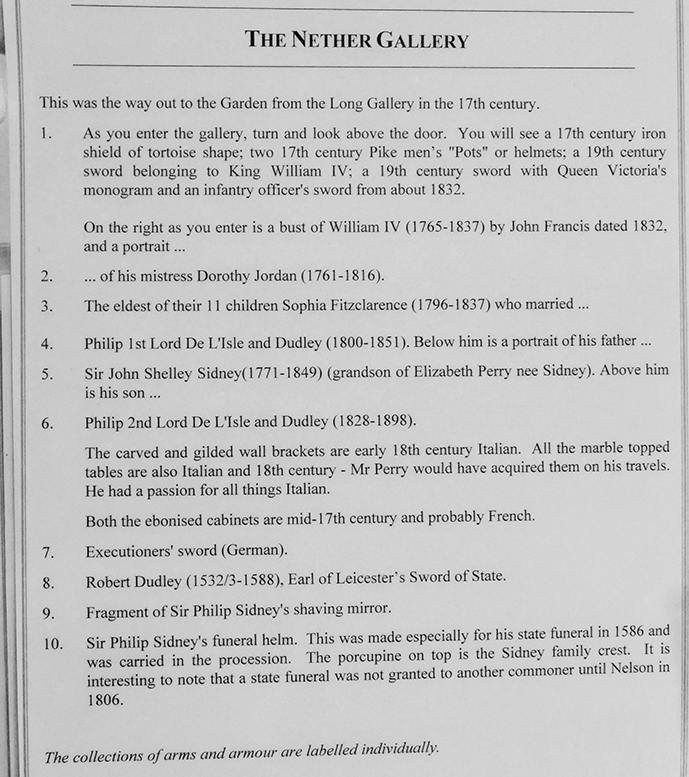
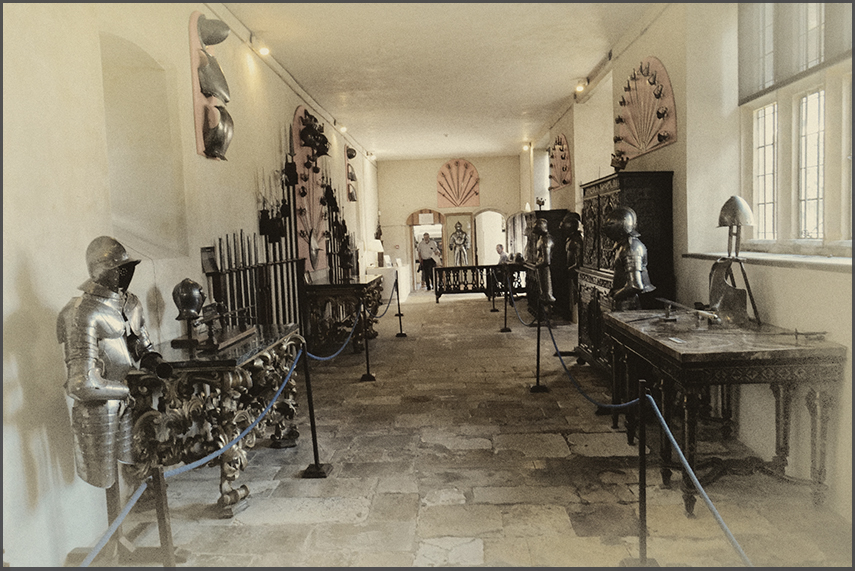
The Nether Gallery

Penshurst Place (Penshurst Castle) 6-2025 / R. Leeuw

Penshurst Place (Penshurst Castle) 6-2025 / R. Leeuw

Penshurst Place (Penshurst Castle) 6-2025 / R. Leeuw
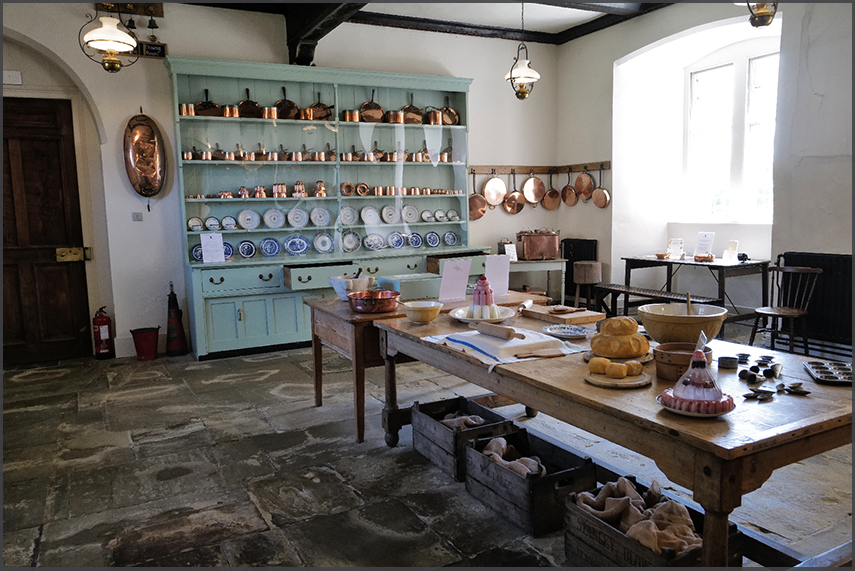
The Kitchen
Penshurst Place (Penshurst Castle) 6-2025 / R. Leeuw

Penshurst Place (Penshurst Castle) 6-2025 / R. Leeuw
Out through the fine gardens, refreshments were in order for it was a hot day

Penshurst Place (Penshurst Castle) 6-2025 / R. Leeuw

Penshurst Place (Penshurst Castle) 6-2025 / R. Leeuw


STOKESAY CASTLE
Stokesay Castle 7-2025 / (c) R.Leeuw

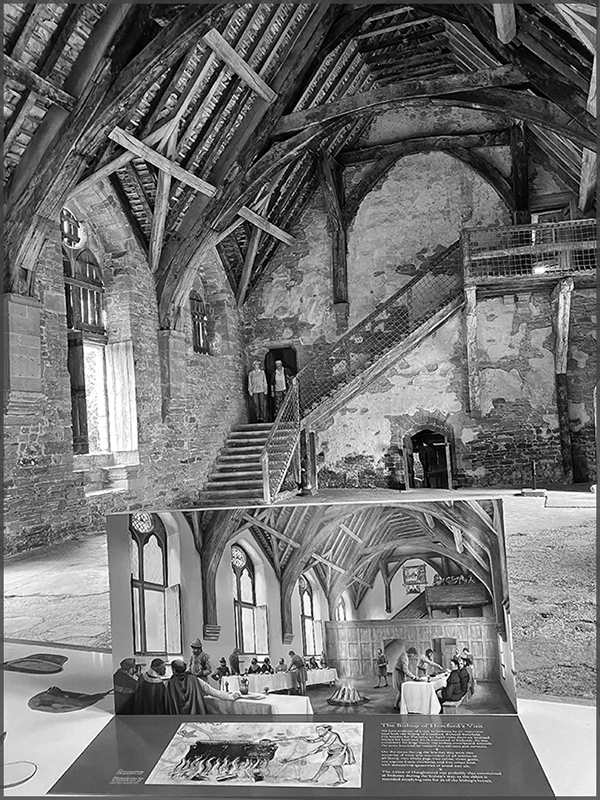
Stokesay Castle is one of the finest surviving fortified manor houses in England, and situated at Stokesay in Shropshire.
It was largely built in its present form in the late 13th century by Laurence of Ludlow, on the earlier castle (some of which still survives) founded by its original owners the de Lacy family, from whom it passed to their de Verdun heirs, who retained feudal overlordship of Stokesay until at least 1317. ¬ Wikipedia

Stokesay Castle 7-2025 / (c) R.Leeuw

Stokesay Castle 7-2025 / (c) R.Leeuw
Entering through the gate

Stokesay Castle 7-2025 / (c) R.Leeuw

Stokesay Castle 7-2025 / (c) R.Leeuw

Stokesay Castle 7-2025 / (c) R.Leeuw
The passage through the gatehouse meant facing swarming bees from a nest there..

Stokesay Castle 7-2025 / (c) R.Leeuw

The other side of the gate house
Stokesay Castle 7-2025 / (c) R.Leeuw

Laurence 'of' Ludlow was one of the leading wool merchants in England, who intended it to form a secure private house and generate income as a commercial estate. Laurence's descendants continued to own the castle until the 16th century, when it passed through various private owners. By the time of the outbreak of the First English Civil War in 1642, Stokesay was owned by William Craven, 1st Earl of Craven (1608–1697), a supporter of King Charles I. After the Royalist war effort collapsed in 1645, Parliamentary forces besieged the castle in June and quickly forced its garrison to surrender. Parliament ordered the property to be slighted, but only minor damage was done to the walls, allowing Stokesay to continue to be used as a house by the Baldwyn family until the end of the 17th century. ¬ Wikipedia

Stokesay Castle 7-2025 / (c) R.Leeuw
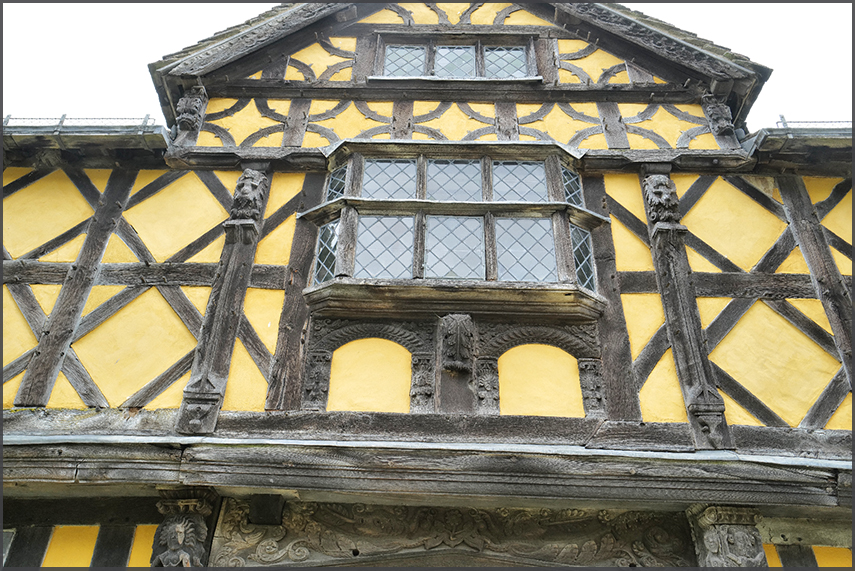
17th-century timber and plaster gatehouse

Stokesay Castle 7-2025 / (c) R.Leeuw
'In the 18th century the Baldwyns rented the castle out for a range of agricultural and manufacturing purposes.
It fell into disrepair, and the antiquarian John Britton noted during his visit in 1813 that it had been "abandoned
to neglect, and rapidly advancing to ruin". Restoration work was carried out in the 1830s and 1850s by William
Craven, the second Earl of Craven. In 1869 the Craven estate, then heavily in debt, was sold to the wealthy
industrialist John Derby Allcroft who paid for another round of extensive restoration during the 1870s.'

Stokesay Castle 7-2025 / (c) R.Leeuw
'Allcroft's descendants fell into financial difficulties during the early 20th century, however, and it became
increasingly difficult for them to cover the costs of maintaining Stokesay. In 1986 Jewell Magnus-Allcroft
finally agreed to place Stokesay Castle into the guardianship of English Heritage, and the castle was left to
the organisation on her death in 1992. English Heritage carried out extensive restoration of the castle in the
late 1980s. In the 21st century, Stokesay Castle continues to be operated as a tourist attraction,
receiving 39.218 visitors in 2010.' ¬ Wikipedia

Stokesay Castle 7-2025 / (c) R.Leeuw
'Architecturally, Stokesay Castle is "one of the best-preserved medieval fortified manor houses in England",
according to historian Henry Summerson.[1] The castle comprises a walled, moated enclosure, with an entrance
way through a 17th-century timber and plaster gatehouse. Inside, the courtyard faces a stone hall and solar
block, protected by two stone towers. The hall features a 13th-century wooden-beamed ceiling, and
17th-century carved figures ornament the gatehouse and the solar.'

Stokesay Castle 7-2025 / (c) R.Leeuw
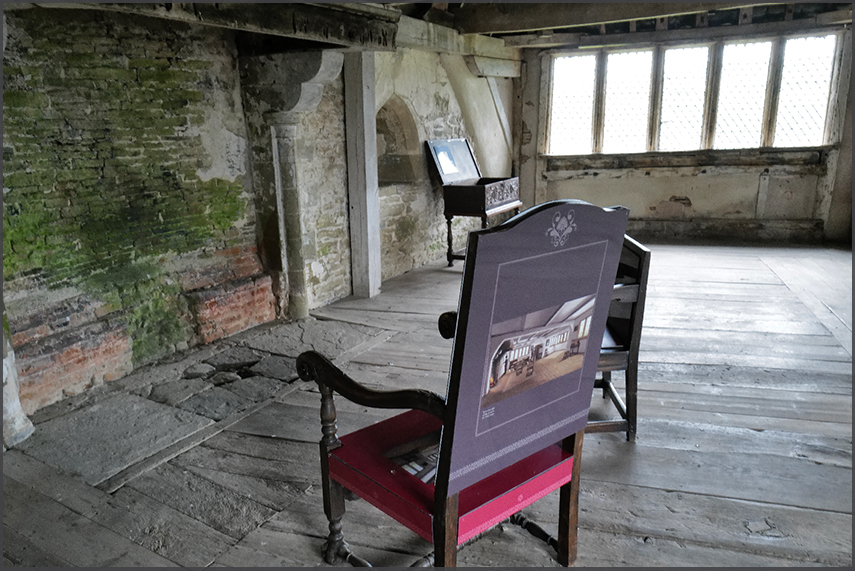
'The castle was never intended to be a serious military fortification, but its style was intended to echo the much
larger castles being built by Edward I in North Wales. Originally designed as a prestigious, secure, comfortable
home, the castle has changed very little since the 13th century, and is a rare, surviving example of a near
complete set of medieval buildings. English Heritage has minimised the amount of interpretative material
displayed at the property and kept the castle largely unfurnished.'

Stokesay Castle 7-2025 / (c) R.Leeuw

Stokesay Castle 7-2025 / (c) R.Leeuw

Stokesay Castle 7-2025 / (c) R.Leeuw

Stokesay Castle 7-2025 / (c) R.Leeuw
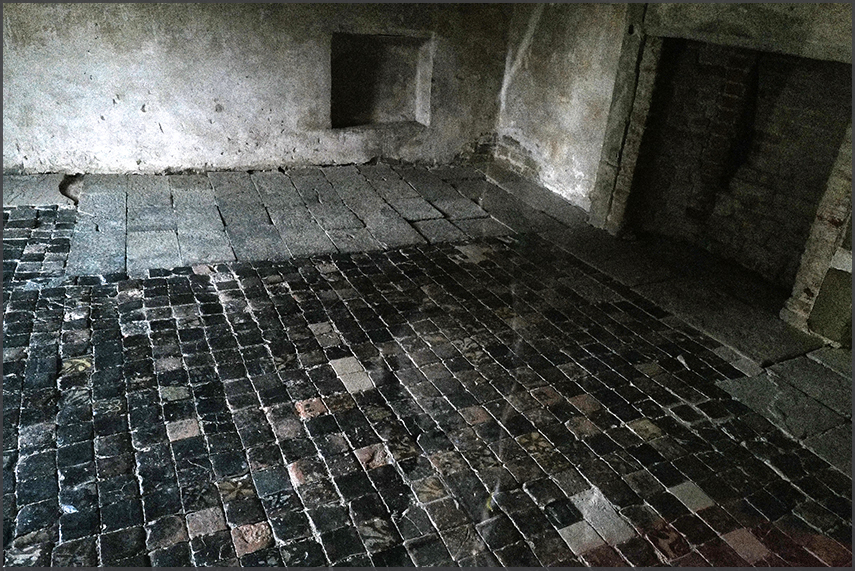
A room with decorative, glazed tiles

Stokesay Castle 7-2025 / (c) R.Leeuw

Stokesay Castle 7-2025 / (c) R.Leeuw
en.wikipedia.org:_Stokesay_Castle

Stokesay Castle 7-2025 / (c) R.Leeuw

Stokesay Castle 7-2025 / (c) R.Leeuw

Stokesay Castle 7-2025 / (c) R.Leeuw

Stokesay Castle 7-2025 / (c) R.Leeuw
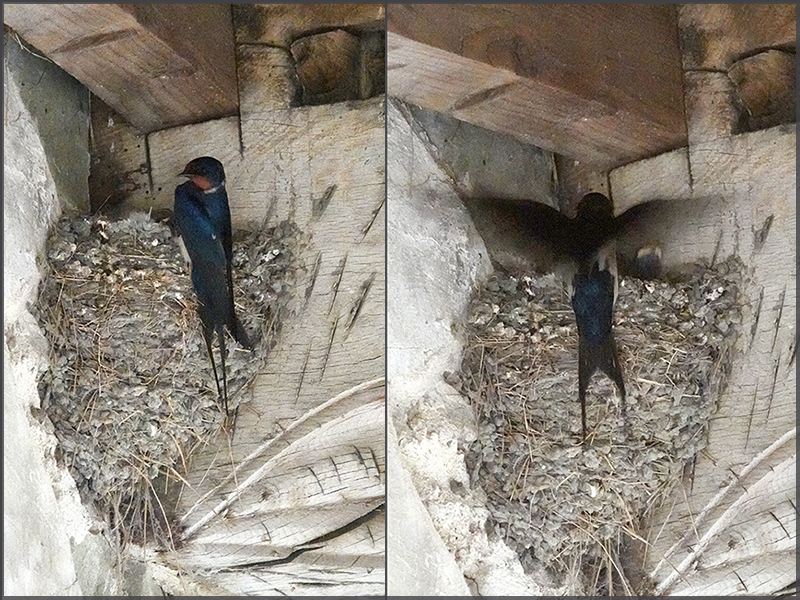
The open windows in the tower provides housing in the rafters for the many swallows, awaiting to be fed here
+
Stokesay Castle 7-2025 / (c) R.Leeuw


SPEKE HALL (LIVERPOOL) - Built 1530–1598
Speke Hall (Liverpool) 7-2025 / (c) Ruud Leeuw
'Speke Hall is a wood-framed wattle-and-daub Tudor manor house in Speke, @Liverpool, It is one of the finest surviving examples of its kind. It is owned by the National Trust and is a Grade I listed building.'

Speke Hall (Liverpool) 7-2025 / (c) Ruud Leeuw

Construction of the current building began under Sir William Norris in 1530, though earlier buildings had been on the site, parts of which are incorporated into today's structure.
The Great Hall was the first part of the house to be built, in 1530.
The Great (or Oak) Parlour wing was added in 1531. Around this time the North Bay was also added to the house.
Between 1540 and 1570 the south wing was altered and extended. The west wing was added between 1546 and 1547.
The last significant change to the building was in 1598, when the north range was added by Edward Norris.
Since then there have only been minor changes to the Hall and gardens. ¬ Wikipedia

Speke Hall (Liverpool) 7-2025 / (c) Ruud Leeuw

Speke Hall (Liverpool) 7-2025 / (c) Ruud Leeuw
The Library

'During the turmoil of the Reformation the Norrises were Roman Catholics so the house incorporated a priest hole and a special observation hole built into a chimney in a bedroom to allow the occupant to see the approach to the house to warn the priest that people were coming.
There is also an eavesdrop (a small open hole under the eaves of the house) which allowed a servant to listen in on the conversations of people awaiting admission at the original front door.'

Speke Hall (Liverpool) 7-2025 / (c) Ruud Leeuw
'The house was owned by the Norris family for many generations until 1736 when Mary Norris, the heiress,
married Lord Sidney Beauclerk. After Mary's death in 1766 the house was leased to various tenants.
Richard Watt, a Liverpool merchant, purchased the house and estate from the Beauclerks in 1795.
The last surviving heir of the Watt family was Miss Adelaide Watt, who inherited the house and returned
to it in 1878 ,at the age of 21 years. She died in 1921, leaving the house and estate in trust for 21 years,
during which time it was looked after by the staff under the supervision of Thomas Whatmore,
who had been butler to Miss Watt. ¬ Wikipedia

Speke Hall (Liverpool) 7-2025 / (c) Ruud Leeuw

Speke Hall (Liverpool) 7-2025 / (c) Ruud Leeuw
Ornate furniture

Speke Hall (Liverpool) 7-2025 / (c) Ruud Leeuw
Amazing decorations, on the wood panels and ceiling
Speke Hall (Liverpool) 7-2025 / (c) Ruud Leeuw

Speke Hall (Liverpool) 7-2025 / (c) Ruud Leeuw
The bedroom. More decorations.

Speke Hall (Liverpool) 7-2025 / (c) Ruud Leeuw
Tapestries

Merseyside County Council carried out a seven-year programme of major structural repairs and restoration
which was completed in 1983. The National Trust took over full responsibility in 1986.
Speke Hall (Liverpool) 7-2025 / (c) Ruud Leeuw
The kitchen.


ENGLAND | BLACK & WHITE | CASTLES | PEOPLE |
| OXFORD & LINCOLN |


en.wikipedia.org:_List_of_castles_in_England


ENGLAND & WALES 2023 | BLACK & WHITE | CASTLES | UK 2023 ART
| SEABIRDS @SKOHOLM |


Created: 06AUG2025 - Updated: 13-Aug-2025